SIFF Movie Club: Days of Heaven
Tickets

On sale siff.net
About
March 8, 2027
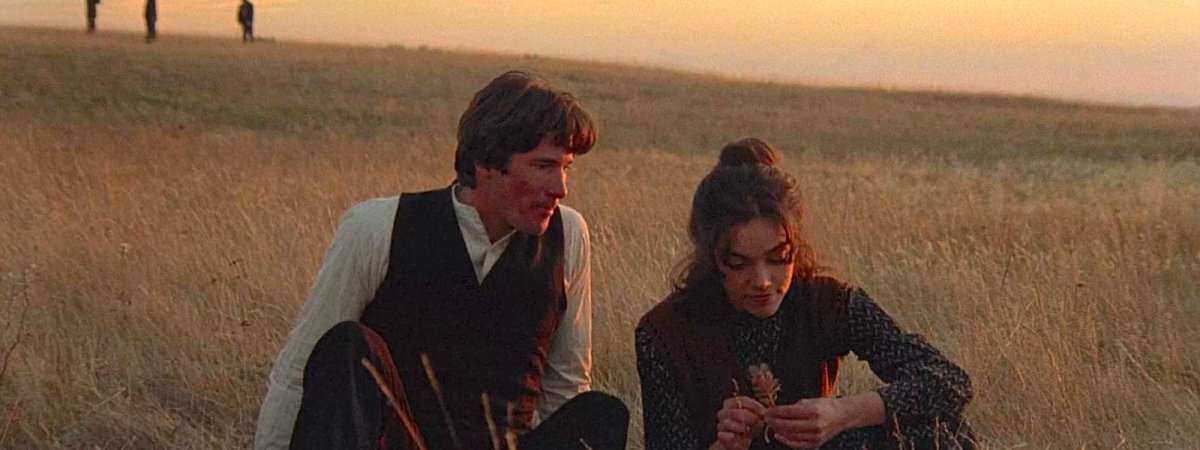
Easily one of the most beautiful looking films of the 1970s with a large portion of it shot during the “magic hour,” Days of Heaven won the Academy Award for Best Cinematography for Nestor Almendros’ (Kramer vs. Kramer, Sophie’s Choice) transcendently visual work on the film, which bolsters the highly expressionistic story that Malick and his actors brought to the production. Presenting a vision of the New American Cinema more akin to additive sculpture than the Hollywood films that came before it, Malick builds a world for his characters and audience to live in for 94 minutes, one where the love triangle at the center of the narrative reacts and informs the natural beauty and actions that frame it. By the time biblical tropes like locusts, fire, and murderous rage descends upon Bill, Abby, and Shepard’s previously docile farmer, one knows they’re witnessing a film like no other, one that could only come from the philosophically driven concerns of Terrence Malick.
“Visually and thematically, it’s still one of the most beautiful films ever made.” — David Jenkins, Time Out